Am I allowed to arrange a program for non-Frum teens on Dec. 24/25/31 or Jan. 1, because there is no school or work on those days? Or is it a problem to davka set it up for any of those days?
A program may be set up for those days, provided the emphasis in the promotional material is specifically on the fact that there is no school these days and not anything special about the nature of the days, including the fact that people are off work.
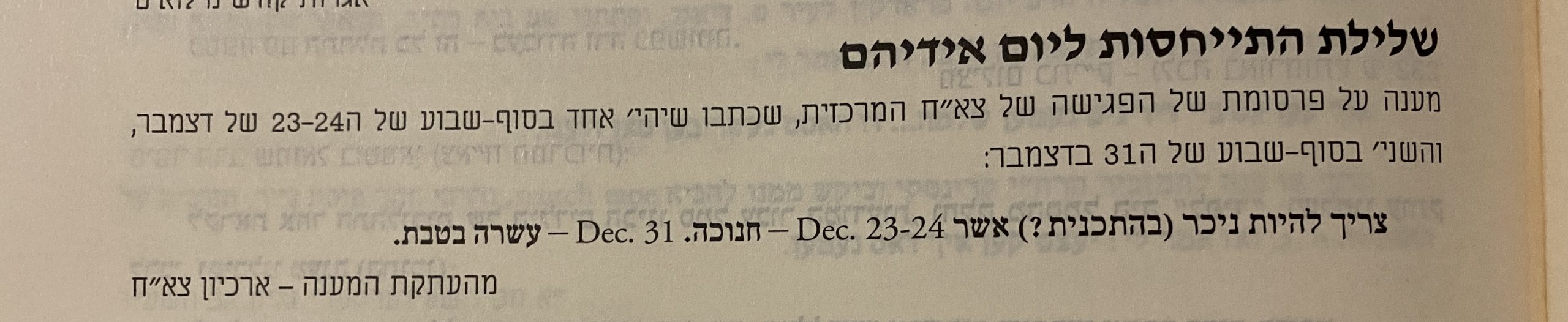
Igros Moshe (Yoreh Deah 3:85) forbids giving a school vacation on their holidays even when the intent is practical, such as fathers being off work and wanting to travel with their children, because choosing those days gives them importance. The sources distinguish that case, where another day could have been chosen, from this one, where school is already off, so scheduling a program only uses the free time. They also note a reply to publicity for a Tzeirei Agudas Chabad gathering that it should be evident that Dec. 23-24 is Chanukah and Dec. 31 is Asara B'Teves, and refer to a related discussion on scheduling events on Sundays.This is a generative summary and should not be relied upon for practical halachic rulings. Report an error or leave us a comment.
בשו”ת אגרות משה יו”ד ג, פה, כ׳ לאסור ליתן חופש בימי אידם, מכ”ו דעצעמבער עד אחר ראשי שנה החדשה שלהם, אף שכוונתם הוא שלא לשמוח בחגיהם, אלא משום שהאבות הם בטלים ממלאכתם ורוצים ליסע לאיזה מקומות יחד עם בניהם. ושם, שהוא מעשה איסור ואין הכוונה מסלקת האיסור, כיון שבכך גורם חשיבות לימים אלו (ועוד הוסיף שם שהוא דבר מכוער בעצם לעשות ימי חופשה בימים שחוגגים להע”ז שלהם אשר צררו ומררו קרוב לאלפים שנה את עם ישראל ועדיין ידם נטוי׳).
אבל שם מדובר שיש לאל ידם ליתן חופש ביום אחר, ובמה שבוחרים ימים אלו נגרמת חשיבות עי״ז. אבל בנדו״ד שבלא״ה יש להם חופש, הרי קביעת סדר לימוד וכדומה בימים אלו, אינו נותן חשיבות כ״א שמנצל הימים שבטלים מביה״ס.
[ולהעיר מהמצו״ב במענה על פרסומת של הפגישה של צא״ח המרכזית: “צריך להיות ניכר (בהתכנית?) אשר Dec. 23-24 — חנוכה. Dec. 31 — עשרה בטבת”].
כן מצינו לענין קביעות מאורעות ביום ראשון, ראה כאן.
#1716 (2)